Looking for a place that feels connected, walkable, and lived-in without giving up access to the rest of San Diego? That is a big reason so many buyers keep La Mesa on their shortlist. If you are weighing lifestyle, commute, housing options, and long-term fit, La Mesa offers a mix that stands out. Let’s dive in.
La Mesa leans into its village feel
La Mesa’s small-town appeal is not just a talking point. It is part of how the city plans its downtown and growth. The Downtown Village Specific Plan describes a city center shaped around local shops and restaurants, community events, culture, walkable plazas, and a variety of housing types.
That matters when you are choosing where to buy. Some places feel convenient but generic. La Mesa has a more defined identity, with a downtown core designed to feel like a gathering place rather than just a stretch of businesses.
As of the July 1, 2025 Census estimate, La Mesa had 59,914 residents. That size helps explain the balance many buyers notice here. It is large enough to support everyday amenities, but still small enough to feel more personal than many larger suburban areas.
Walkability shapes daily life
For buyers who want to run errands, grab coffee, or meet friends without always getting in the car, La Mesa has real appeal. The city has made walkability a visible priority through planning and public programs. That supports the neighborhood-scale feeling many buyers are after.
The city’s Urban Trails program includes three marked routes: the Stroll, Stride, and Challenge. La Mesa also says its trail plan identifies 19 new trails that connect residents to parks and recreation, medical facilities, retail, restaurants, and transit.
This is one of the clearest reasons La Mesa feels different from a more car-dependent suburb. Walkability here is not only about one downtown block. It is also about how the city connects people to daily destinations and outdoor spaces.
The city even hosts La Mesa Walks! on Wednesday mornings. That kind of recurring local activity helps reinforce a routine, neighborly feel that many buyers want when they picture a more connected lifestyle.
Community events add to the small-town rhythm
A small-town feel is often less about architecture and more about what your week actually looks like. In La Mesa, community life is easy to spot on the calendar. That creates a sense of rhythm that can be hard to find in more anonymous areas.
The La Mesa Village Farmers Market features more than 60 vendors, live music, food vendors, and local artisans. The city also promotes annual and seasonal events like the La Mesa Village Car Show and the Sundays at Six Summer Concert Series at Harry Griffen Park.
Beyond the big events, the city’s Recreation Guide, Adult Enrichment Center, and aquatics programming show a steady lineup of classes, camps, youth sports, adult programs, lunch programs, trips, and swimming options. For buyers, that signals a place where everyday life is active and visible, not just a place where people sleep between commutes.
Transit access keeps San Diego within reach
A quieter home base often works best when it still gives you options. La Mesa appeals to many buyers because it offers a more relaxed feel without cutting you off from the rest of the region. That is especially helpful if your work, family, or social life extends beyond the neighborhood.
MTS says the Orange Line serves three La Mesa stops: Grossmont Center, La Mesa Village, and Spring Street. It also offers a one-seat ride to downtown San Diego in about 27 to 33 minutes, with free park-and-ride parking available at several La Mesa lots.
For relocation buyers and households comparing commute patterns, that is a meaningful advantage. You can enjoy a more village-style setting while still keeping a practical connection to the urban core.
Outdoor access is part of the lifestyle
Many buyers are not just shopping for square footage. They are also thinking about how they want everyday life to feel. In La Mesa, outdoor access is part of that equation.
The city lists Lake Murray as a popular regional facility for relaxing or exercising. It also identifies Mission Trails Park as one of the largest regional urban parks in the United States. Add in local urban trails and secret-stairs routes, and you get a city with multiple ways to get outside close to home.
That combination can be especially appealing if you want a neighborhood that supports both convenience and downtime. You are not choosing between access and atmosphere. In many parts of La Mesa, you get a blend of both.
Housing options are broader than many buyers expect
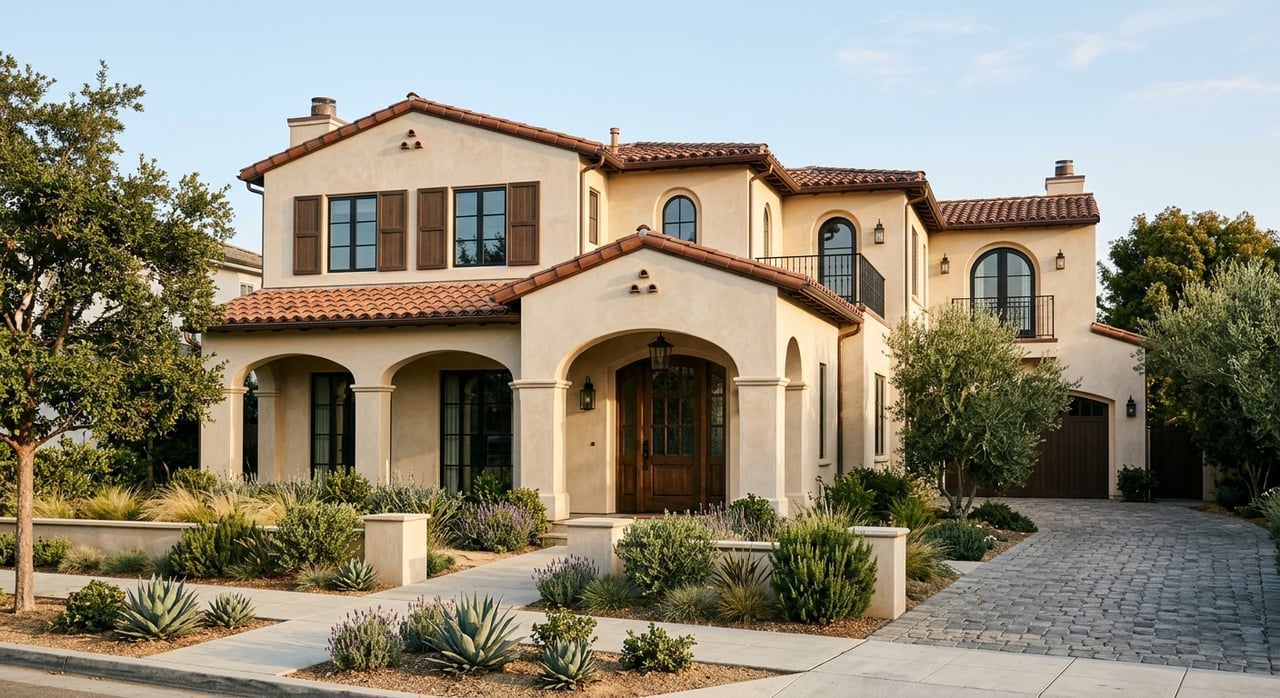
Another reason La Mesa appeals to a wide range of buyers is that the housing stock is not one-note. Some communities are dominated by a single product type, which can limit your choices. La Mesa offers a more mixed inventory.
According to the city’s Housing Element, the 2020 housing inventory was 46.8% single-family detached and 46.5% multifamily, with another 6% made up of single-family attached units such as second units and duplexes. The city’s land-use policies allow single-family homes, mobile homes, townhomes, condominiums, second dwelling units, and multifamily units.
The city also notes recent ADU and JADU growth and offers preapproved ADU plans. For buyers, that broader mix can open up more ways to match a purchase to your budget, layout needs, or long-term plans.
What price expectations look like
If you are considering La Mesa, it helps to go in with realistic pricing expectations. Recent data points to a market that remains competitive. That does not mean every home performs the same way, but it does mean buyers should be prepared.
Redfin reported a median sale price of $872,050 in April 2026, with homes selling in about 17 days and 47.3% of homes selling above list price. The U.S. Census Bureau’s 2020-2024 QuickFacts estimate puts the median value of owner-occupied housing units at $812,000, with median gross rent at $2,049 and an owner-occupied rate of 47.7%.
Because those sources measure different things, it is better to think of them as a price band rather than one exact number. In practical terms, buyers should expect La Mesa to offer a range of home types, but not a bargain-basement market. Strategy matters, especially if you are balancing budget with location and condition.
Why La Mesa stands out to today’s buyers
When buyers say they want a small-town feel, they usually mean something specific. They want places that feel walkable, recognizable, and active. They want a home base with local character, everyday convenience, and a sense that people actually spend time in the community.
La Mesa checks many of those boxes. Its village identity is supported by city planning, its community life is visible, its transit links are practical, and its housing mix is broad enough to serve different types of buyers.
If you are relocating, moving up from a starter home, or trying to find a neighborhood that better matches how you live now, La Mesa is worth a closer look. The right fit is not only about the house itself. It is also about how the area supports your routine, priorities, and next chapter.
If you want help comparing La Mesa with other San Diego neighborhoods or building a smart plan around your move, Emily Benito can help you think through the options with clear, local guidance.
FAQs
How walkable is La Mesa Village for homebuyers?
- La Mesa is actively planning for a walkable downtown, and its Urban Trails system connects residents to restaurants, retail, parks, and transit.
What kinds of homes can buyers find in La Mesa?
- Buyers can find single-family homes, condos, townhomes, apartments, ADUs, and other multifamily or mixed housing types reflected in the city’s housing plans.
How practical is a commute from La Mesa to downtown San Diego?
- MTS says the Orange Line serves three La Mesa stations and reaches downtown San Diego in about 27 to 33 minutes.
What price range should buyers expect in La Mesa?
- Recent data suggests a general range from about $812,000 in estimated owner-occupied value to a median sale price of $872,050, depending on the source and what it measures.
Why does La Mesa feel more like a small town than some other suburbs?
- La Mesa’s downtown village planning, walkable routes, local events, and visible community programming all contribute to a more connected, neighborhood-scale feel.