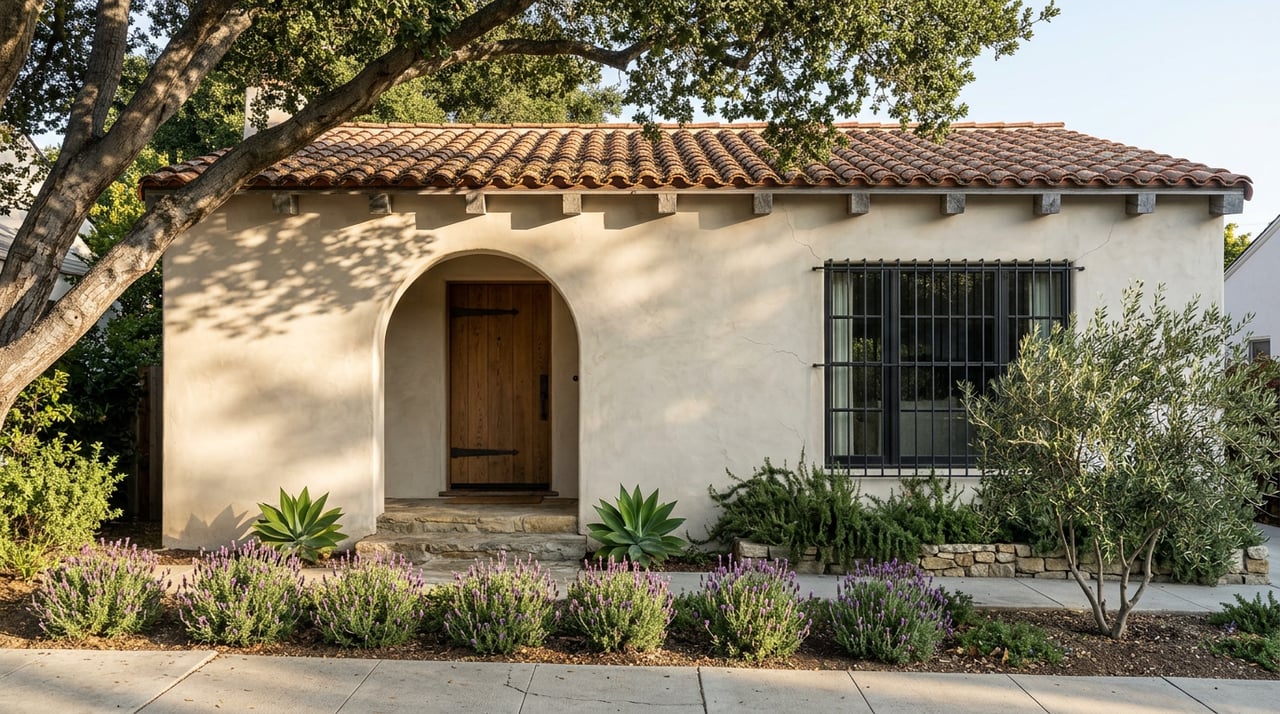
A seller in the Village spends the summer redoing the kitchen, refinishing the original oak floors, and repainting the exterior in a color the historical society would approve of. The listing photos look sharp. Then the buyer's inspector shows up, skips the kitchen entirely, and heads straight for the sewer cleanout.
That is not a coincidence. In a city where the housing stock spans more than a century, from Craftsman bungalows built when La Mesa incorporated in 1912 to the ranch homes that filled in the hills through the 1950s and 60s, the thing that actually stops a sale rarely has anything to do with what a seller updated. It has to do with what's underground, and no amount of fresh paint changes what's sitting eight feet below the yard.
The Renovation Tells the Buyer Nothing About the Pipe
Here is the mismatch that catches sellers off guard: a kitchen remodel and a sewer lateral are on completely different clocks. You can gut a kitchen in six weeks. The clay or cast-iron pipe running from your house to the street has usually been there since the house was built, and it does not care how new your countertops are.
That disconnect matters because La Mesa's oldest housing, the Craftsman and Spanish-influenced bungalows clustered near the Village and along streets like Date Avenue and 3rd Street, sits on some of the most mature tree canopy in the city. Tree-lined streets are part of what makes the Village walkable and desirable right now. They are also exactly why root intrusion into old clay laterals is such a consistent finding. The same charm that's driving buyer interest is the reason the inspection risk exists in the first place. A home can look immaculate above ground and still carry a pipe that's been quietly cracking under root pressure for decades, and there is no visual cue for it. You cannot see a sewer lateral from the curb.
Three Housing Eras, Three Different Underground Risks
La Mesa's inspection patterns track its building eras closely enough that the year a house went up tells you almost as much as a home inspection report will.
| Era and Location | Common Materials | What Shows Up in Inspection |
|---|---|---|
| Village and Downtown, 1920s-1940s | Clay tile sewer laterals, galvanized supply lines | Root intrusion, cracked or offset pipe joints, corroded supply lines with reduced water pressure |
| Fletcher Hills, Rolando, College Area, 1950s-60s | Cast iron drains, early copper supply | Interior pipe corrosion narrowing the drain diameter, aging water heaters, undersized electrical panels |
| Mount Helix hillside homes | Mixed eras, long laterals | Grading and drainage issues, low static water pressure above roughly 800 feet in elevation, retaining wall and slope conditions |
None of this shows up on a walkthrough. A standard visual home inspection cannot see inside a sewer line at all. That is why a camera scope, run separately from the general inspection, is the tool that actually resolves the question. For a house built before 1960 in the Village, that scope is close to essential rather than optional.
The Jurisdiction Wrinkle That Surfaces in Escrow, Not Before
Here is a detail that catches longtime owners off guard specifically because their mailing address says La Mesa. Properties in Mount Helix, Casa de Oro, Rancho San Diego, Rolando, and the College Area frequently fall under County of San Diego or City of San Diego review rather than the City of La Mesa, even though residents think of themselves as La Mesa homeowners.
That distinction matters the moment anyone starts pulling permit history. If a buyer's agent or inspector goes looking for permit records with the City of La Mesa Building Division and the parcel is actually under County or City of San Diego jurisdiction, the search comes up empty, and that gap reads as a red flag even when nothing is wrong. A seller who confirms the correct agency before listing, rather than discovering it when a buyer's inspector asks a question nobody can answer quickly, keeps a small administrative detail from turning into a delay during a contingency period.
Why Timing Is the Whole Argument
The same underground problem produces two completely different outcomes depending on when it's discovered.
Found before you list, a cracked clay lateral is a repair line item. You get quotes, decide whether to fix it or disclose it and price accordingly, and you control the narrative in the listing itself. A basic camera scope in the area typically starts in the low hundreds of dollars, a small cost against the alternative.
Found during a buyer's inspection contingency, the same defect becomes a negotiation you did not choose the timing of. The buyer has leverage because the deal is already agreed and now something is wrong with it. Industry data on undetected sewer damage puts the average repair cost, once it surfaces this way, at roughly $7,500, and that number does not include the days lost re-negotiating price or requesting repairs while a contingency clock runs.
The difference between those two numbers is not really about the pipe. It's about who is holding the leverage when the camera goes in.
What This Looks Like If You're Listing This Fall
As of August 2026, La Mesa homes were spending a median of 54 days on the market before going pending, which is a tighter window than it sounds once you account for the days a re-negotiation eats up mid-escrow. A seller who scopes the sewer line, confirms jurisdiction on a hillside or College Area property, and has answers ready before a buyer's inspector arrives is working with that timeline instead of against it.
This is the same logic behind pre-listing prep generally: staging, professional photos, and a clean disclosure package all exist to keep a sale moving on the seller's terms rather than reacting to what a buyer's team finds first. A sewer scope belongs on that same pre-listing checklist, particularly for anything built before 1960 near the Village or with mature trees close to the lateral.
A Few Questions Worth Answering Before You List
Does every La Mesa home need a sewer scope before listing? Not every home, but any house built before roughly 1970 with large trees, especially eucalyptus, fig, or mature oak, within about 20 feet of the sewer line is a strong candidate. Recurring slow drains, sewage odors, or unusually green patches of lawn over the lateral route are signs the scope should happen sooner rather than later.
Is a sewer scope part of a standard home inspection? No. A standard visual inspection cannot see inside a buried pipe. A camera scope is a separate service, usually arranged through a licensed plumber, and it's the only way to actually confirm what material the lateral is and what condition it's in.
How do I find out if my property is under City or County jurisdiction? The La Mesa Historical Society, which maintains local property archives at the McKinney House Museum on University Avenue, is a useful starting point for older properties, but jurisdiction and permit history should be confirmed directly with the relevant building division before you rely on it in a listing.
If you're preparing to sell an older La Mesa home and want a clear-eyed read on what an inspection is likely to flag before a buyer's team ever walks the property, Emily Benito can help you build a pre-listing plan that puts you ahead of it. Let's Connect.