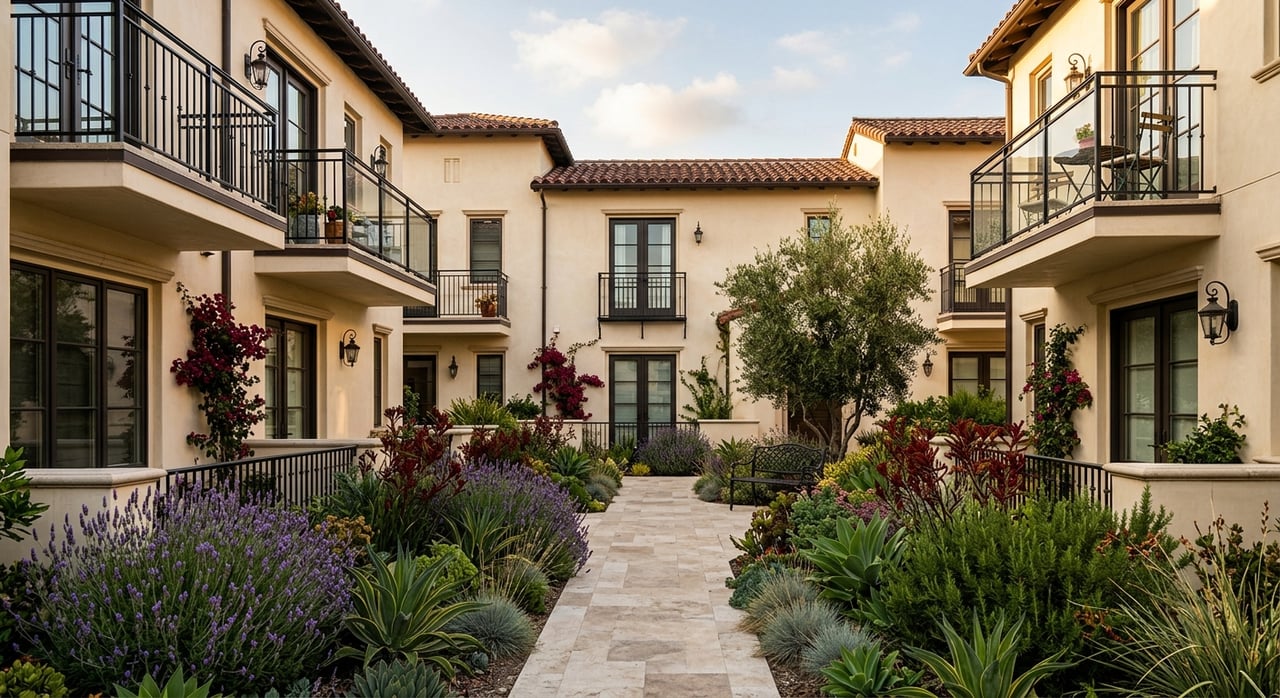
Wondering if a condo or townhome in University City is the right move for you? If you want a home that keeps you close to UC San Diego, UTC, major job centers, and transit, this part of San Diego deserves a close look. University City offers a wide range of attached homes, but the trade-offs can vary a lot from one community to the next. This guide will help you understand pricing, HOA details, parking, and what kind of buyer fit makes the most sense. Let’s dive in.
Why University City Stands Out
University City is one of San Diego’s larger residential communities, and it is not one single condo market. The City of San Diego notes that North University City has more higher-density apartments, condominiums, and townhomes, while South University City has more of a single-family character. That means your experience can feel very different depending on which part of the community you are exploring.
For buyers, that variety can be a real advantage. You may find older garden-style condos, townhome-style layouts, and larger planned developments instead of just a narrow set of newer options. If you like having choices in layout, amenities, and price point, University City gives you more range than many buyers expect.
Current listing activity also suggests this is an active attached-housing market. Redfin’s University City condo page shows 61 condos for sale with a median listing price of $615,000. That points to a market with meaningful inventory rather than extremely limited selection.
What Condo and Townhome Options Look Like
University City includes a long list of established communities identified in the City of San Diego’s University Community Plan Area survey. These include La Jolla Village Park, La Jolla del Sol, Villa Vicenza, Regency Villas, Pacific Regents, Park Place, University Towne Square, Star Village, Verano, La Florentine, Avanti, Capri, Casabella, Lucera, and Devonshire Woods.
Many of these communities were built in the 1970s and 1980s. That matters because older developments often come with mature landscaping, more established layouts, and a different feel than newer construction. They can also come with older building systems and HOA maintenance needs that deserve careful review.
The community plan also points to a mix of townhomes, garden apartments, and lower-rise condominium forms, with parking handled in different ways based on density. In practice, that means one property may offer a direct-access garage, while another may rely on tuck-under parking, shared garages, or surface spaces. You do not want to assume parking will be the same from one complex to another.
Amenities Can Change the Math
Amenities are often part of the appeal in University City condo communities, but they can also affect your monthly costs. For example, La Jolla Village Park lists features such as a pool, spa, sauna, tennis courts, racquetball courts, and permit-controlled parking. Villa La Jolla describes a 500-unit garden-style community with a clubhouse, fitness center, two pools, two spas, barbecue areas, laundry facilities, and landscaped common areas.
Those shared features can make day-to-day living easier and more enjoyable. At the same time, in California common interest developments, owners share responsibility for common-area maintenance, assessments, and reserve funding. So when you see a strong amenity list, you should also ask what it means for HOA dues and long-term budgeting.
HOA Review Is Not Optional
If you buy a condo or townhome in a California common interest development, you automatically become a member of the homeowners association. That is why HOA due diligence should be treated as part of your inspection process, not something to skim at the end.
California requires sellers to provide key HOA disclosure items before closing. These include governing documents, current regular and special assessments, unpaid assessments and fines, approved assessment increases not yet due, rental restrictions, and the reserve-funding disclosure summary. If requested, the seller must also provide board minutes for the prior 12 months and the latest required inspection report.
This review can tell you a lot about what life in the community may really look like after move-in. It can also help you spot issues that may affect your budget, your flexibility, or your plans for the property.
Key HOA Questions to Ask
- What are the current monthly dues?
- What do the dues cover?
- Are any special assessments already approved?
- How strong are the reserves for roofs, exteriors, balconies, elevators, paving, or pools?
- Are there rental caps or minimum lease terms?
- Are there pet restrictions?
- What exterior changes require board approval?
- What parking rights come with the unit?
- Is guest parking practical for everyday use?
Some local HOA rules can be very specific. La Jolla Village Park, for example, requires parking permits for vehicles outside garages, restricts parking in fire lanes, and requires board approval for some exterior changes like replacement windows, satellite dishes, and certain wall attachments. That kind of structure is common in older condo communities, so it is smart to read the details carefully.
Parking Matters More Than Buyers Expect
In University City, parking can be one of the biggest lifestyle differences between properties. The community plan shows that higher-density housing here often uses integrated parking solutions instead of the large private parking areas you may see in lower-density neighborhoods.
Before you write an offer, verify exactly what comes with the unit. Ask whether you are getting a garage, carport, covered space, or surface stall. You should also ask about guest parking, oversized vehicles, and any EV charging rules.
Parking rules can shape your daily routine more than buyers sometimes realize. If you have multiple cars, frequent visitors, or a larger vehicle, these details can quickly become a deciding factor.
Transit Access Is a Real Advantage
One reason University City appeals to so many buyers is convenience. MTS says the UC San Diego Blue Line connects UTC with Old Town, downtown, South Bay, and the U.S.-Mexico border. The UTC Transit Center also includes parking.
For buyers connected to UC San Diego, there is another practical benefit. UC San Diego runs fare-free Triton Transit shuttles for campus and nearby commuting needs. That added flexibility can be especially helpful if you want to reduce driving or simplify your workweek.
This transit access makes University City a strong option for buyers who want low-maintenance living with a shorter commute. It can also work well if you value staying connected to major employment centers without paying coastal pricing.
How University City Prices Compare
Price is a big reason buyers look closely at University City. Based on Greater San Diego Association of REALTORS® April 2026 local market updates for attached homes, the 92122 median sales price year-to-date was $639,000.
That places University City between several nearby submarkets. Mission Valley’s 92108 attached median was $578,500, Downtown’s 92101 attached median was $750,000, and La Jolla’s 92037 attached median was $1.25 million. In simple terms, University City sits above Mission Valley but below both Downtown and La Jolla in the latest local comparison.
Current listing data supports the same general positioning. Redfin shows a University City condo median listing price of $615,000, compared with about $743,000 for La Jolla Village condos and about $699,000 for Downtown San Diego condos. For many buyers, that makes University City one of the more accessible attached-home markets near UCSD and UTC.
There can also be lower entry points in older communities. Recent sold data included a one-bedroom condo in Regency Villas that closed at $330,000. While each property is different, examples like that show why buyers who want to stay in this area often keep an open mind about older complexes.
Who University City Fits Best
University City tends to work well for buyers who want a balance of location, convenience, and lower-maintenance living. That often includes first-time buyers trying to stay close to UCSD or UTC, professionals who want an easier commute, and downsizers who prefer shared amenities over yard work and exterior upkeep.
It can also be a practical option if you are relocating to San Diego and want a neighborhood with strong access to jobs, shopping, and transit while you learn the broader market. Because the area includes multiple micro-markets, it helps to compare communities based on your actual daily routine, not just square footage or list price.
The main trade-offs are usually HOA dues, parking limitations, and the need for careful document review before removing contingencies. If you are comfortable with those factors, University City can offer a very workable path into a well-located part of San Diego.
Smart Buying Tips for University City
If you are narrowing your search here, keep your process simple and focused:
- Compare each community, not just each unit
- Review HOA documents early
- Confirm monthly dues and any upcoming assessments
- Check parking details in writing
- Ask about guest parking before you commit
- Balance amenities against your monthly budget
- Consider commute patterns, transit access, and daily convenience
- Stay open to older communities if value matters most
A condo or townhome purchase in University City is often less about finding the flashiest property and more about finding the right fit between location, rules, costs, and lifestyle. The more clearly you understand those trade-offs, the better decision you can make.
If you want help comparing University City condo and townhome options with a calm, local perspective, Emily Benito can help you evaluate the details and move forward with confidence.
FAQs
What is the typical price range for condos in University City?
- Current data in the research report shows a median listing price of $615,000 for University City condos, with the 92122 attached-home median sales price at $639,000 year-to-date in the latest local market update.
What should you review before buying a condo in University City?
- You should review HOA documents, monthly dues, special assessments, reserve funding, rental restrictions, pet rules, parking rights, and any recent board minutes or required inspection reports available through the seller disclosures.
What kinds of condo and townhome communities are in University City?
- University City includes a mix of older garden-style condos, townhomes, and planned developments, with many established communities dating to the 1970s and 1980s.
Is parking different from one University City community to another?
- Yes. Parking can vary widely and may include garages, carports, covered spaces, tuck-under parking, shared garages, or surface stalls, along with guest parking limits and permit rules.
Is University City a good fit for first-time buyers?
- It can be a strong fit for first-time buyers who want access to UCSD, UTC, transit, and major job centers while staying below the price levels seen in nearby La Jolla and Downtown.
Why do buyers choose University City over nearby areas?
- Many buyers choose University City for its balance of location, transit access, low-maintenance living, and attached-home pricing that often falls between Mission Valley and higher-priced coastal and urban submarkets.